
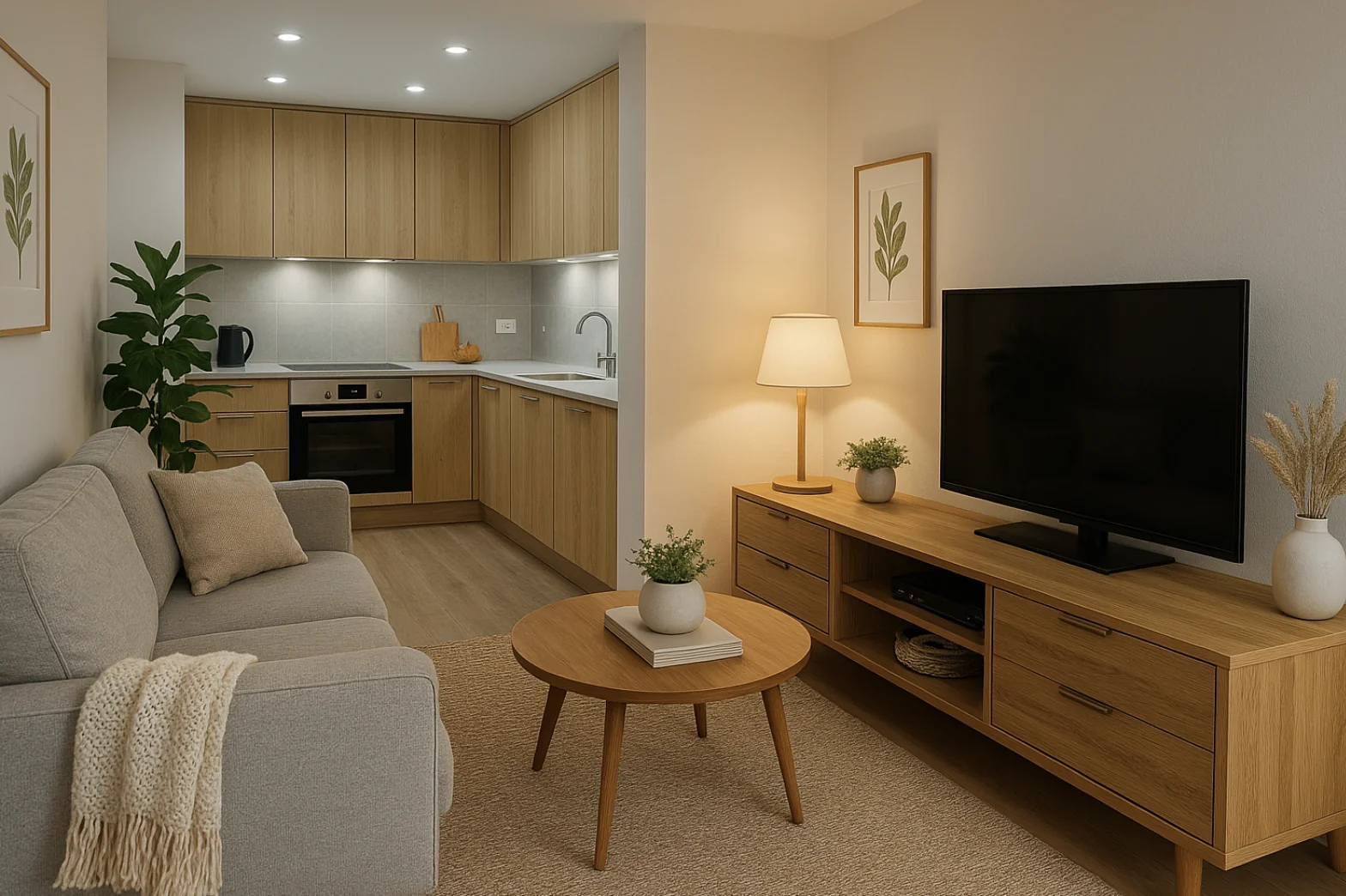
Choosing the right lighting at home or at work is not just a matter of aesthetics: it also directly affects how you feel in that space.
LED light temperature plays a key role in this, as it determines whether a room is perceived as warm, cool or neutral. Haven’t you ever walked into a room and noticed something cozy… or, conversely, impersonal and clinical? Much of that perception has to do with the temperature of the light.
Let’s see what exactly LED light temperature is, how it is measured and, above all, how you can use it to your advantage to create the perfect ambiance according to the use you give to each corner.
What is LED light temperature and why does it matter?
Definition and basic concept
LED light temperature refers to the color of the light emitted by a bulb. It has nothing to do with the physical heat it gives off (in fact, LED lights hardly heat up at all), but with the hue of the light: whether it pulls towards yellow, neutral or bluish tones.
Difference between color temperature and brightness
It is easy to confuse LED light temperature with intensity or brightness, but they are different things. Luminaires can be very bright and still emit a warm light. Or the other way around: it can be dim, but emit a cool light. Temperature is measured in degrees Kelvin (K), while intensity is measured in lumens.
If you want to know more about lumens and how to calculate them, don’t miss our lumens calculator to learn the power you need in every corner of your home.
How to measure: degrees Kelvin
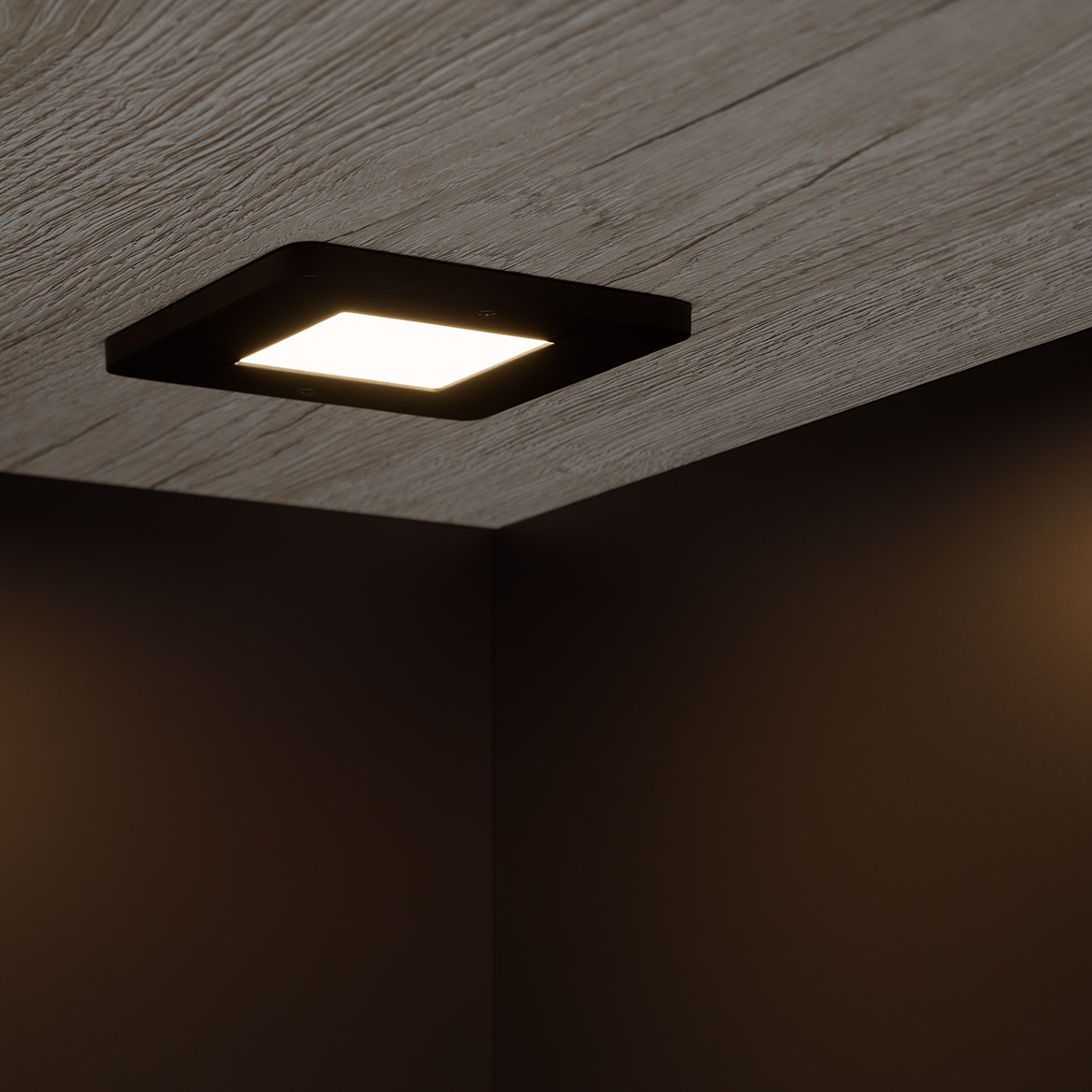
The Kelvin system measures color temperature on a numerical scale. The lower the number, the warmer the light (yellow or orange tones). The higher the number, the cooler (white or bluish). It’s as simple as that:
- 2,700 K to 3,300 K: warm light
- 3,500 K to 4,500 K: neutral light
- 5,000 K to 6,500 K: cold light
The importance in the design of interiors and workspaces
Reading in the living room at night is not the same as working at the computer. Each activity requires a different LED light temperature. Interior designers, for example, play with these temperatures to generate emotions: warmth, concentration, relaxation or energy. You can do the same at home if you know how.
Types of LED light temperature by Kelvin value
Each room needs a type of light and to know how to illuminate it, we must first learn what temperature is best for each space.
Warm light: 2,700 K to 3,300 K
It is the typical soft yellow light that we usually associate with home comfort. It is ideal for living rooms, bedrooms or any space where you want to create a relaxed and cozy atmosphere.
Neutral light: 3,500 K to 4,500 K
It mimics natural daylight, without being too warm or too cold. It is perfect for kitchens, bathrooms and passageways where you need good visibility without the space losing its naturalness.
Cold light: 5,000 K to 6,500 K
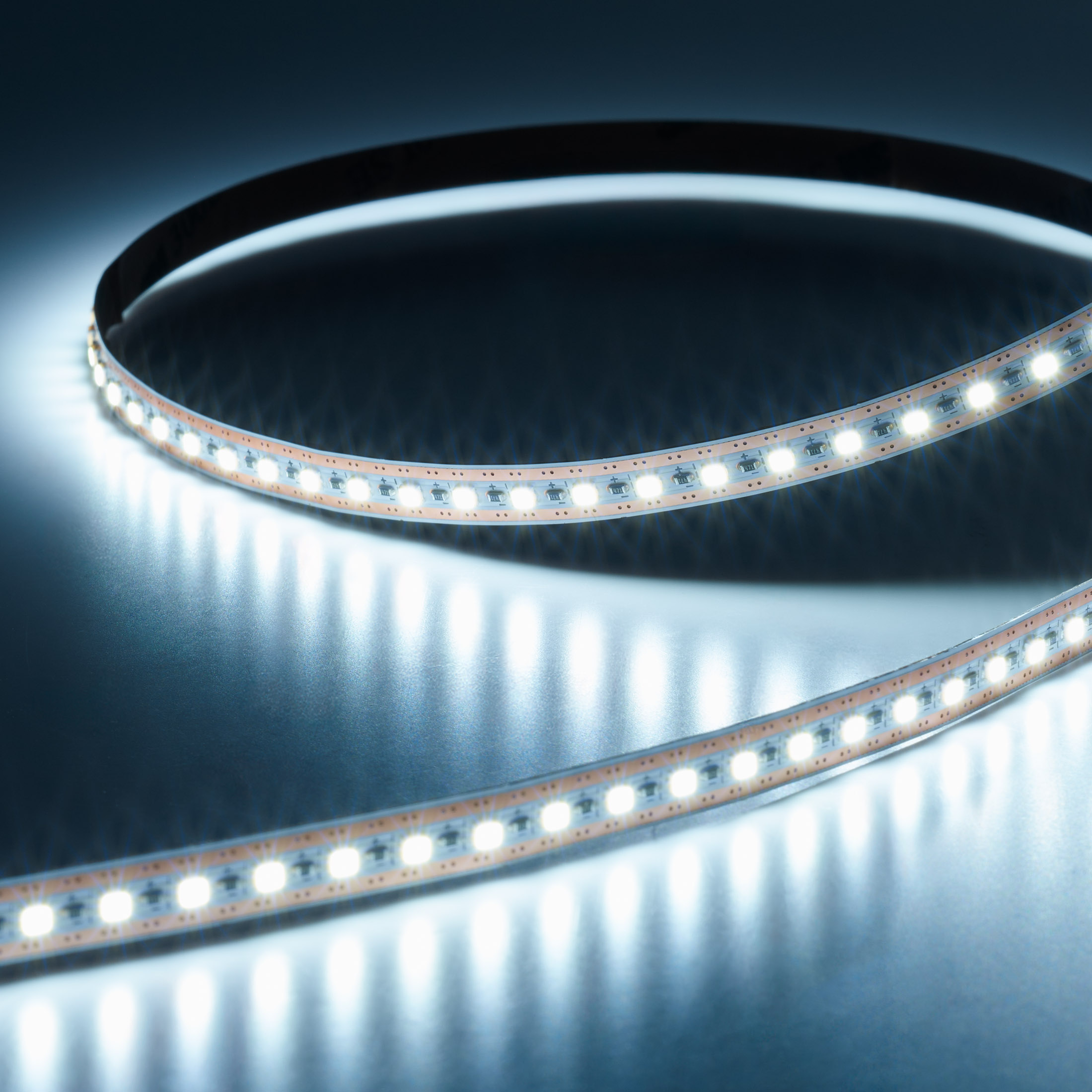
It has a bluish-white tone and is used in places where concentration is needed, such as offices, workshops or study areas. It is also common in commercial spaces, as it gives a sense of cleanliness and clarity.
What sensations are transmitted by each type of light
The temperature of the light also serves to create the emotions we want to feel in each room.
- Warm light: comfort, relaxation and intimacy: this temperature invites calm. It works best at the end of the day, when you want to rest. It also favors conversation and a sense of refuge.
- Neutral light: balance, clarity and naturalness: no warm or cold tone dominance, creates a balanced environment. Very useful for maintaining attention without eyestrain. Ideal for everyday tasks.
- Cool light: concentration, productivity and alertness: activates the brain, improves focus and reduces drowsiness. It is common in work environments because it helps to maintain attention for hours.
How to choose the ideal LED light temperature for each space
Not all spaces call for the same light. Here is a practical guide:
- Living room or dining room: warm light is best, to encourage conversation and relaxation.
- Kitchen: a neutral or cold light gives good visibility for cooking without losing warmth, products such as LED spotlights are the best options for this space.
- Bedroom: go for warm light, which favors rest. A good example of luminaires for the bedroom is the dual LED, which allows you to choose the light temperature for every occasion.
- Bathroom: combine neutral light in the mirror (to look good) and warm light on the ceiling. In our inspiration section, you have ideas to change the lights and accessories in your bathroom and other rooms.
- Offices and offices: cold light for concentrated work.
- Terraces and exteriors: it depends on the use, but the warm one gives a very nice touch at night.
Common mistakes when choosing LED light temperature and how to avoid them
There are some common pitfalls to avoid:
- Use the same temperature throughout the house: each space has its own logic.
- Illuminate sleeping areas with cold light: it can generate discomfort and make it difficult to sleep.
- Not taking into account the color of the furniture: a poorly chosen light can make everything look dull or artificial.
Advantages of adapting lighting to each environment
When you choose the right LED light temperature, everything changes:
- Improve well-being: feeling at ease in your environment is key to rest, performance and enjoyment.
- Energy savings: using the right light avoids excessive use of lamps or dimmers.
- Greater visual comfort: your eyes will thank you for it.
- Better aesthetics: each temperature can highlight textures, colors and shapes differently.
How to combine different temperatures in the same environment
What if you want to create nuances? It’s totally possible:
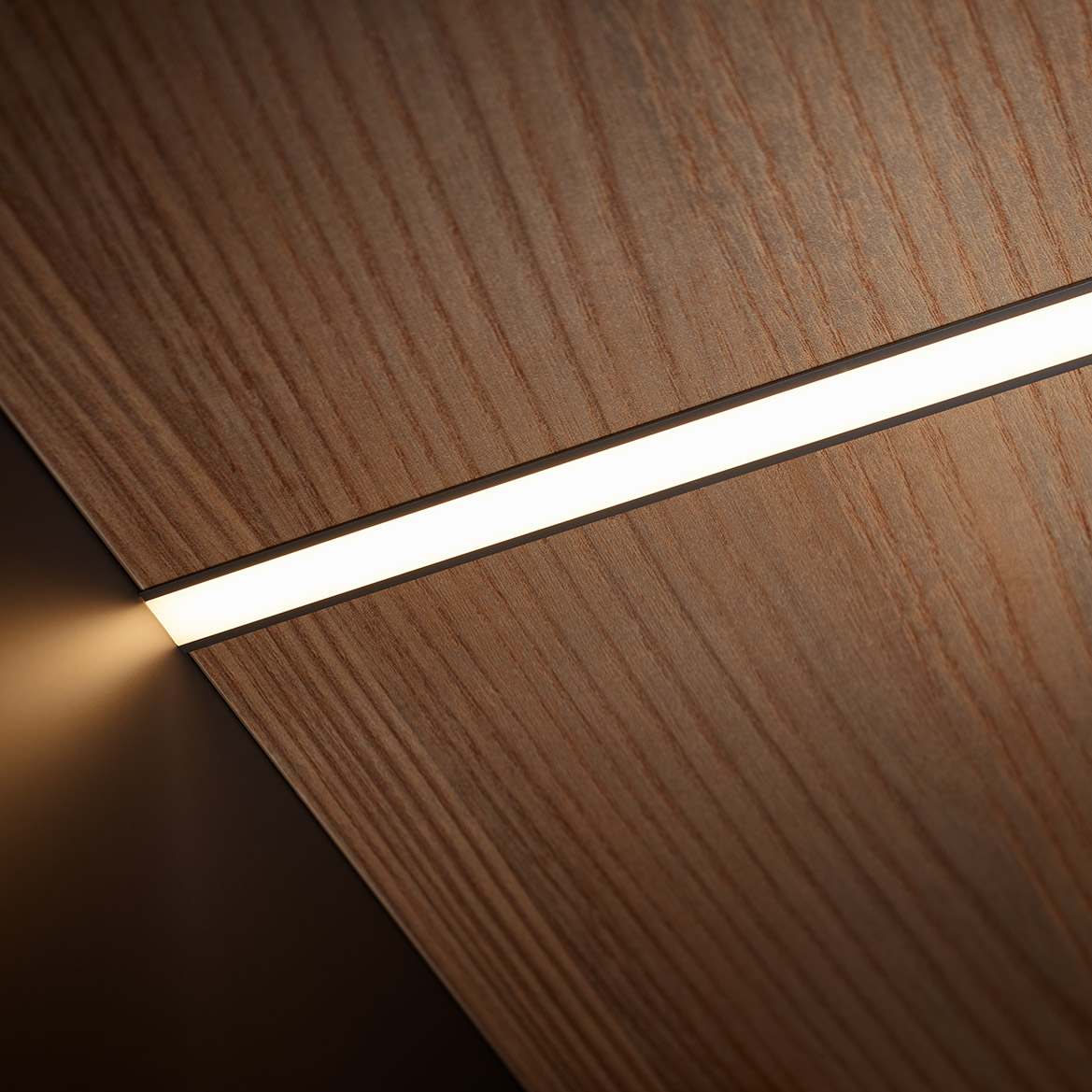
- Transition zones: you can use neutral light as a transition between warm and cold zones.
- Intensity regulators: some allow you to vary not only the intensity, but also the temperature.
- Multi-temperature lights: with a single click you change the ambiance, ideal for versatile homes.
- Smart connector: the smart connector is a modular system for connecting and integrating LED lights in all types of furniture.
Choosing the right LED light temperature improves the quality of your life.
LED light temperature is much more than a technical data: it is a tool to create environments that accompany your day to day. The right choice can make the difference between an uncomfortable space and one you want to stay in.
So, before you buy, think: What atmosphere do I want to create? What feeling do I want to transmit? How am I going to do it? And don’t forget that you can contact us to ask any questions for technical advice and that at SC Herrajes we have the perfect lighting solutions for you, with our LED products and our custom-made service.