
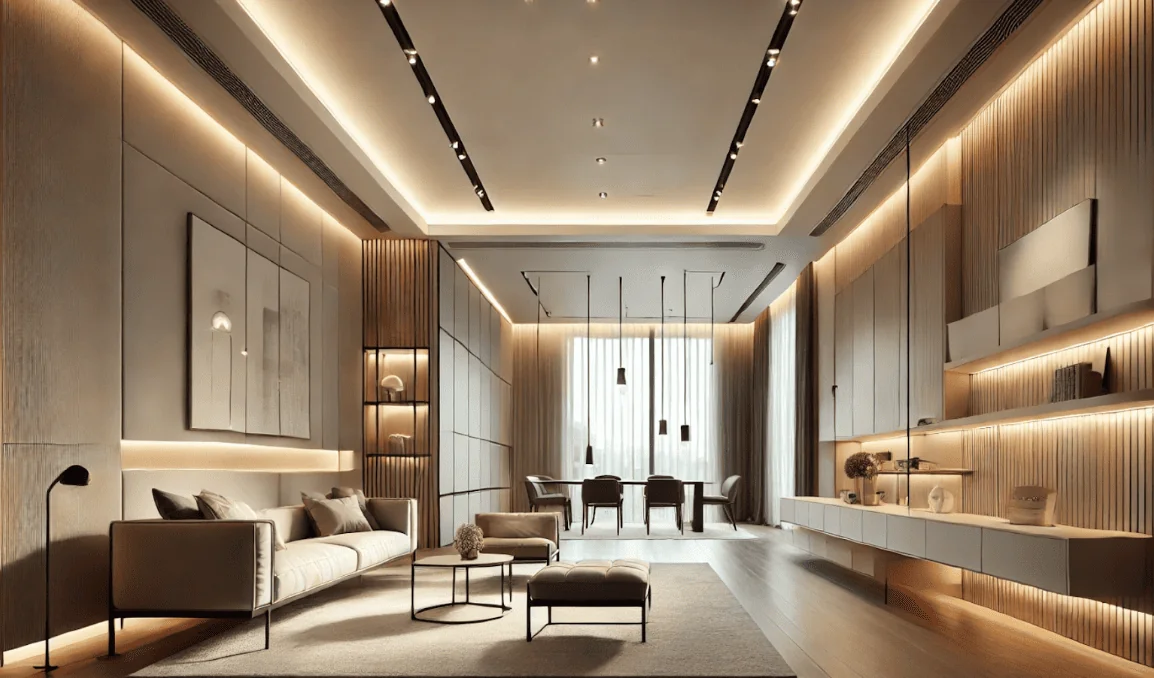
Modern architecture is not just a matter of aesthetics; it is a way of understanding space and how we live in it. In the home, this style bets on the functional, clean and honest, with materials that are shown as they are, without disguises or unnecessary ornaments.
Today, many homes adopt modern elements even if they are not quite “modern style”. Why? Because its simplicity, brightness and ability to connect interior and exterior make it very easy to adapt to modern living.
Key principles defining modern architecture in the home
To identify a house with modern architecture, it is necessary to look at certain essential aspects that go beyond the visual aspect. We summarize them here:
- Functionality above all else: every corner must have meaning and utility. Nothing is “just for the sake of it”.
- Clean lines and simple shapes: complex curves or baroque decorations are avoided. The design is clear and direct.
- Open and communicated spaces: living rooms are integrated with kitchens or dining rooms, and divisions disappear.
- Connection with the outdoors: large windows, patios or terraces make nature part of the house.
- Expressive materials: concrete, steel or wood are shown unabashedly. Their original texture and color are celebrated.
- Logical and efficient distribution: comfort, fluidity and maximum use of space are sought.
Typical materials and finishes in modern domestic architecture
One of the most striking features of this type of house is its honesty with the materials. Nothing is hidden. And that gives personality.
- Concrete, steel and glass: a winning combination. Concrete provides solidity, steel modernity and glass transparency and light.
- Natural woods: although modern architecture may seem cold, wood softens and gives warmth. It is used in its most natural state, without bright varnishes or artificial colors.
Neutral palettes and soft textures: whites, grays, earth tones? Nothing strident. Everything goes together without attracting too much attention.
Accessories and complements that enhance a modern home
This is where the soul of the house comes in. Although the architecture marks the character, the complements define it. Of course, always with coherence.
- Furniture with straight lines: modern furniture is simple, with no frills. Think low sofas, geometric coffee tables and designer furniture handles to complete the style.
- Functional elements that decorate: from modular shelves to sculptural lamps. Everything that decorates, also serves.
- Sober textiles: plain curtains, monochrome carpets or cushions with neutral textures. Here, less is more.
- Contemporary works of art: a good abstract painting or a minimalist sculpture elevates the whole without overloading.
- Unseen technology: home automation or speakers or LEDs for furniture help keep the aesthetics clean, without wires or appliances in the way.
Lighting in modern home architecture
Light plays a leading role in this type of housing. It is not only about lighting, but also about creating atmosphere, highlighting materials and reinforcing the feeling of spaciousness.
Natural lighting: the queen of space
Ideally, large windows should allow light to enter during the day. It not only improves energy efficiency, but also fills the space with life. Curtains are usually light or directly dispensed with.
Modern and functional luminaires
LED luminaires with industrial designs, hidden LED strips or recessed spotlights are widely used. Of course, always taking care that the design does not detract from the simplicity.
Different types of light depending on the space
- Direct: for work or reading areas.
- Indirect: ideal for creating cozy atmospheres at night.
- Spot: to highlight a painting or a wall texture.
The key is to combine various light sources such as floor lamps, ceiling lights and aluminum profiles for LED strips for example, which integrate lighting with style.
Common mistakes when trying to replicate modern architecture at home.
Many times people try to imitate this style, but they make mistakes that spoil it. Here are some common ones:
- Confusing modernity with coldness: using only hard materials and cold colors can make the house look impersonal. The key is to balance.
- Overloading with contemporary furniture without harmony: the excess of “design” furniture without visual order breaks the harmony of the space.
- Forgetting coherence: if the architecture is modern but the furniture is classic or the lighting is very baroque, the result will be creaky.
Examples of well-executed modern homes
To inspire you, it is worth looking at some real projects where modern architecture has been successfully applied:
- Signature homes: studios such as Fran Silvestre Arquitectos or Marcio Kogan have taken modern style to the next level in the domestic sphere.
- Prefabricated modular houses: today there are modular solutions that combine modern aesthetics, efficiency and sustainability.
- Integral reforms: many old houses are completely transformed by eliminating partitions, incorporating natural light and opting for modern finishes.
Each of these options has in common the search for comfort through simplicity and thoughtful design.
Tips for applying modern architecture in your home
You don’t have to have a new house to enjoy this style. You can incorporate elements little by little:
- Eliminates visual barriers: opens spaces, removes unnecessary doors and unifies floors.
- Change the color palette: go for neutral, soft and natural tones.
- Check your furniture: maybe you don’t need more, but less. Keep the essentials.
- Invest in good lighting: think about how to take advantage of natural light and combine it with simple design lamps or aluminum profiles.
- It integrates technology in a discreet way: hidden sockets, integrated speakers, discreet and minimalist lights such as the decorative LED in the Gola profile or automated blinds that do not alter the aesthetics.
Conclusion: Why modern architecture continues to transform life at home.
Modern architecture never goes out of fashion because its essence goes beyond the visual. It adapts to the current pace of life, improves the relationship between spaces and promotes well-being at home.
If complemented well with consistent accessories and thoughtful lighting, it can transform any home into a more functional, harmonious and personal place.