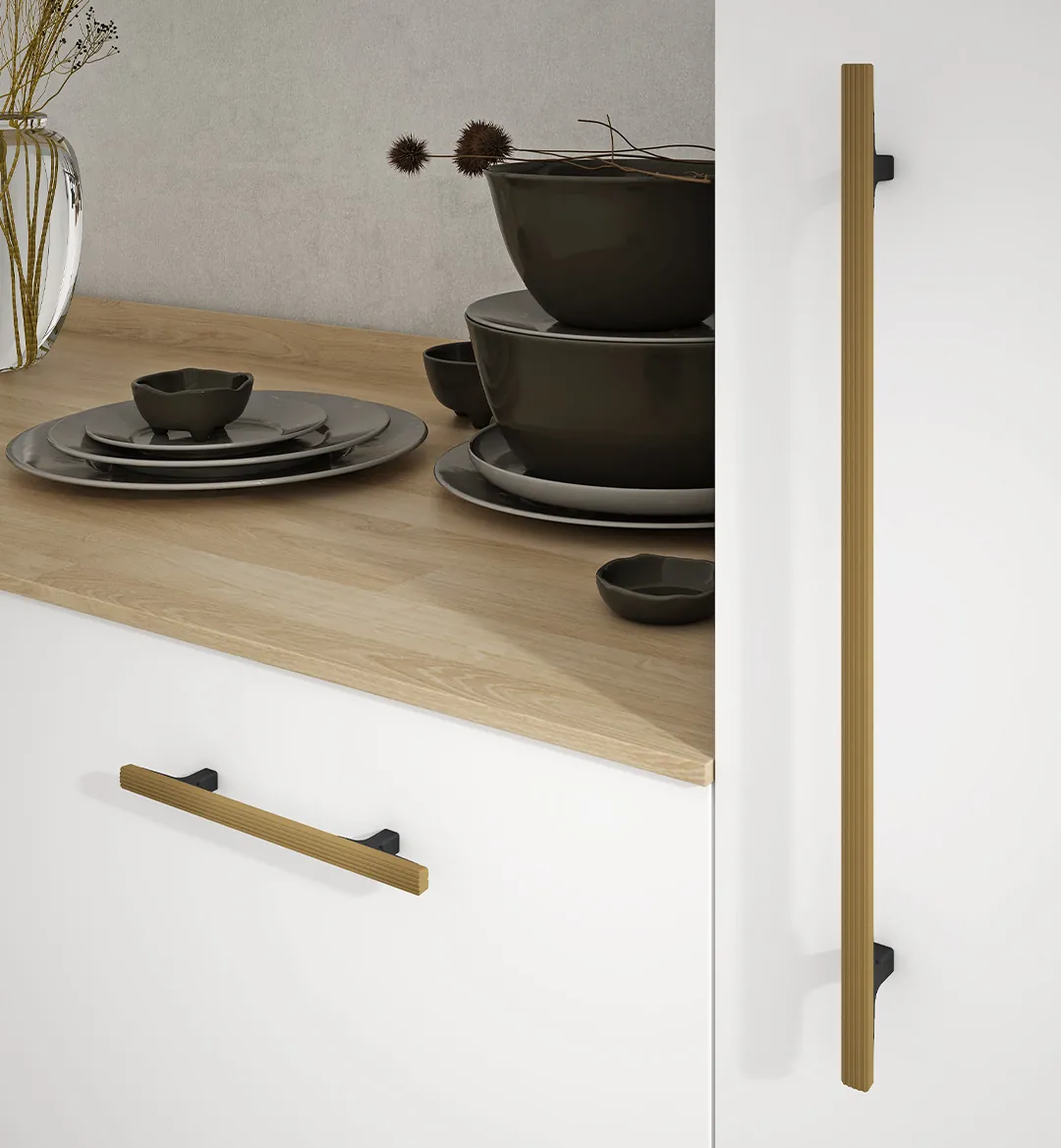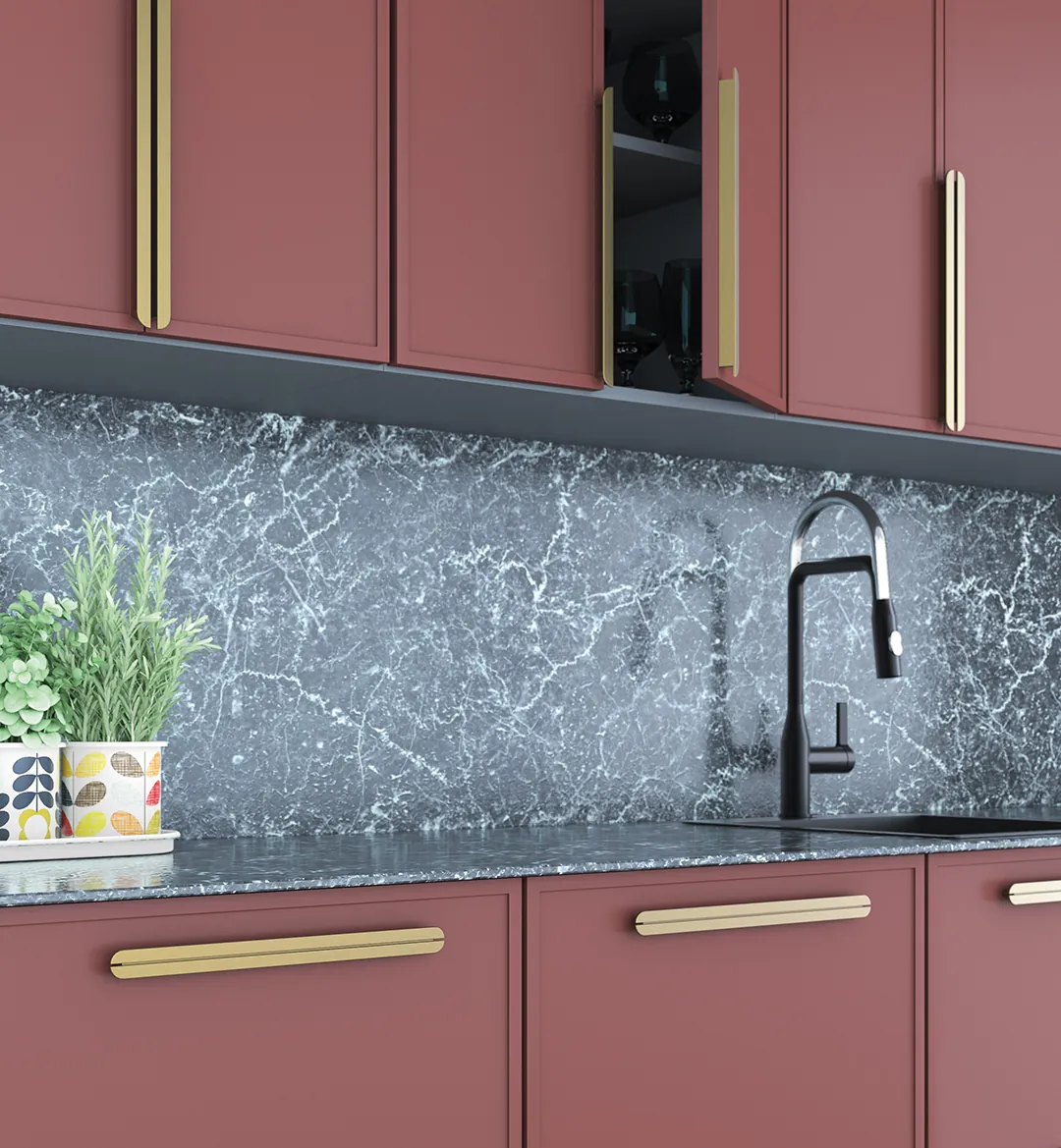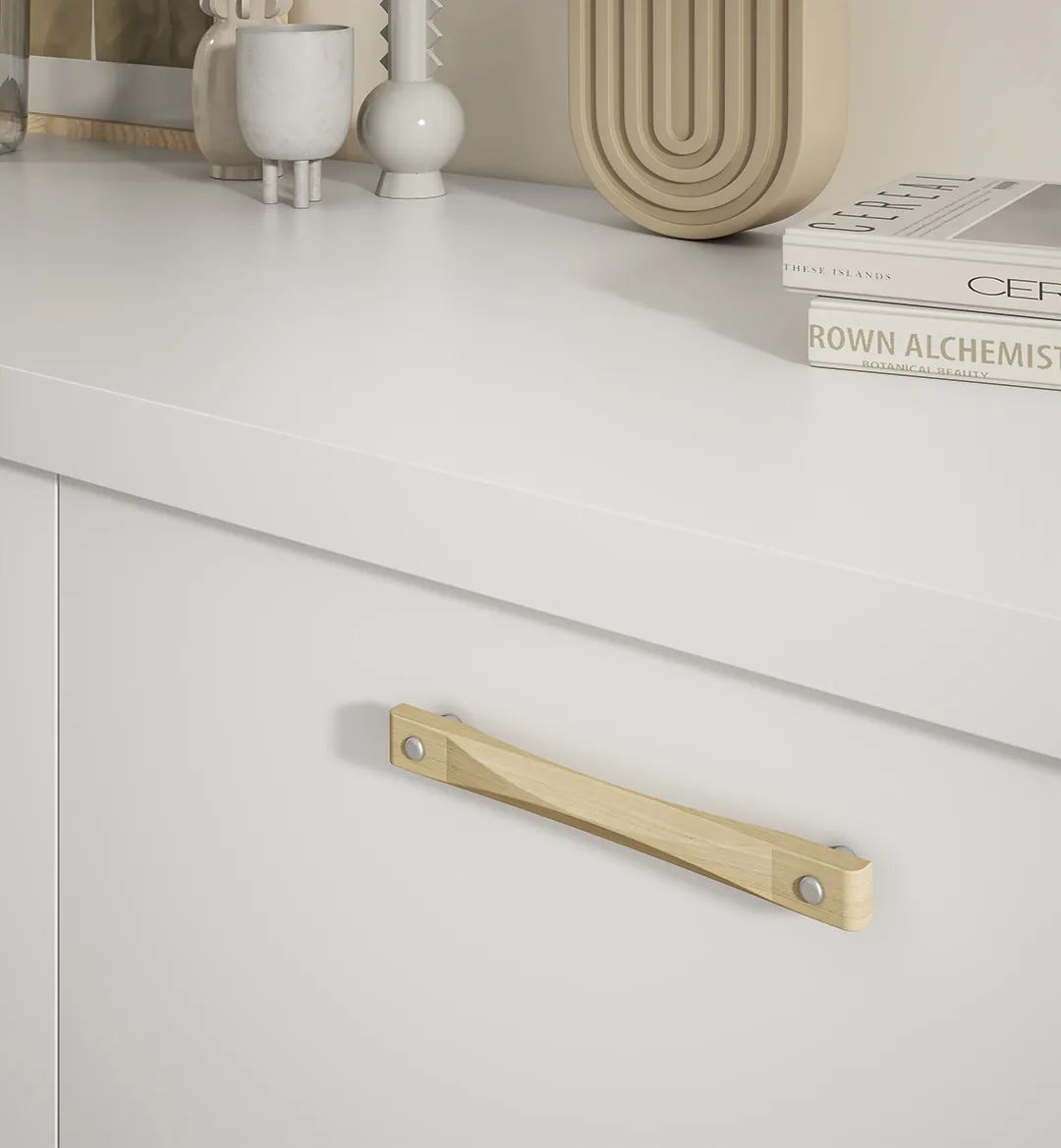
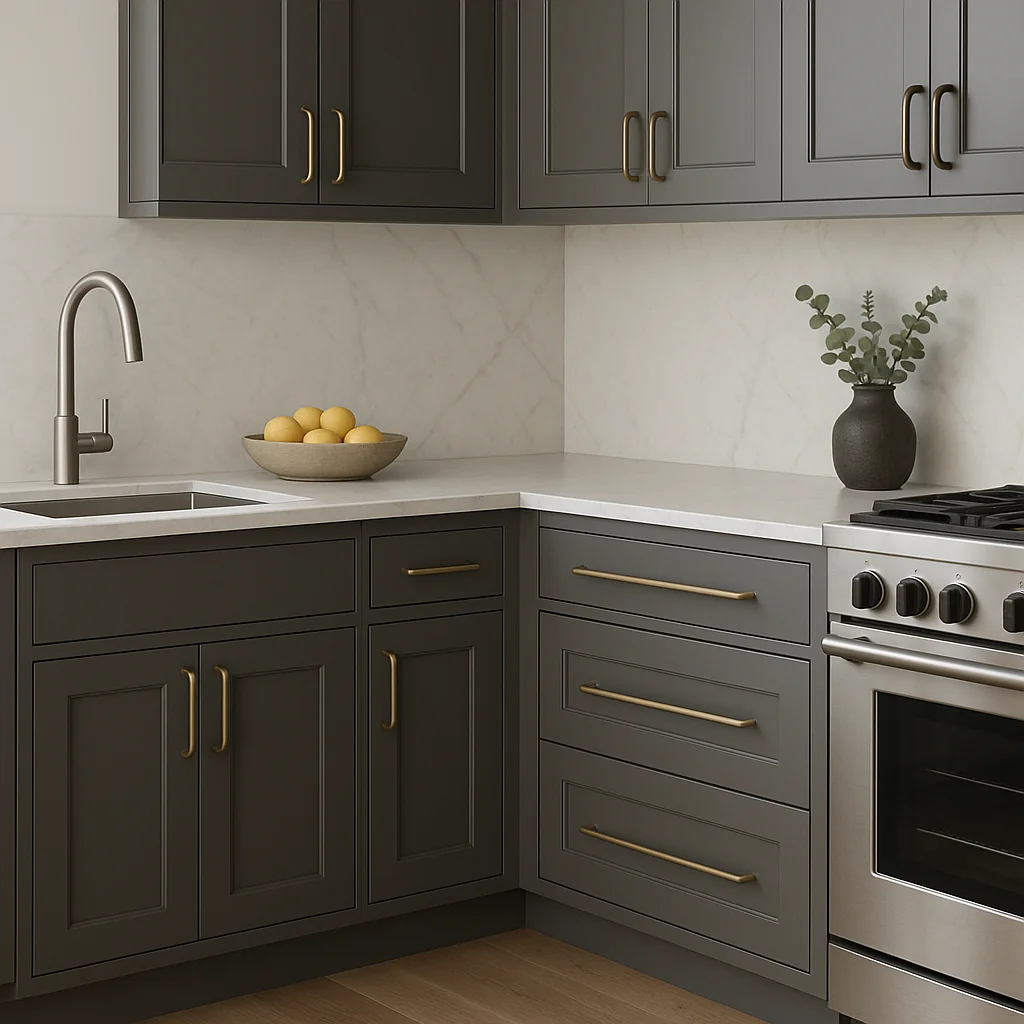
Changing the handles on your kitchen, an old piece of furniture or a cabinet may seem like an unimportant detail, but it has more impact than you think.
Sometimes, a small detail like this can make a space look brand new, without the need to do a lot of work or spend a lot of money. Handles are the kind of thing you don’t pay attention to… until you change them.
If you want to learn how to change your furniture with designer handles like a true professional, read on, we tell you how to do it easily and without mistakes.
Renovate without spending too much: the power of detail
Many times we want to renovate the kitchen or give a new look to the bedroom furniture, but just thinking about the expense or the work involved in a reform throws us back. Fortunately, painting the walls in a trendy color or changing the kitchen handles does not require many complications and make a difference from the first moment.
With something as simple as replacing the old handles with new ones, you will achieve:
- A more modern and cared for look in a matter of minutes.
- A total change of style, going from classic to contemporary, or the other way around, depending on taste.
- A practical improvement, as current handles are usually more comfortable and resistant.
How handles can completely change the style of a piece of furniture
Furniture handles are like fashion accessories: a small detail that completely changes the whole. It’s the same in decoration. Changing handles on an antique piece of furniture, for example, can transform a chest of drawers or a display cabinet without losing its original charm.
- A touch of modernity in the kitchen: it is one of the fastest and most effective ways to update the space without doing any work.
- Recovering the charm of antique furniture is easier than it seems: replacing the handles with new ones can transform an inherited piece of furniture or one with sentimental value, giving it a more elegant and modern touch.
- Giving new life to cabinets: designer handles can turn a cabinet into a decorative piece.
What to consider before changing the handles on a piece of furniture
Before changing the handles of your kitchen, of an old piece of furniture or changing the handles of a closet, it is important to be clear about some details.
Measure the distance between the holes
One of the most common mistakes when changing the handles is not measuring correctly the distance between the holes of the furniture. In modern kitchens and cabinets the measurements are usually standard (96, 128 or 160 millimeters) but when it comes to changing the handles of an old piece of furniture it is easy to find unusual sizes, so it is advisable to check them calmly.
To avoid mistakes, just follow three simple steps:
- Measure with a ruler or tape measure the distance between the center of one hole and the other.
- Make a note of this measurement before purchasing new handles.
- Make sure that the chosen model has the same distance or that you can plug the old holes if it does not match.
Choose the right materials and finishes
The material of the handle has a great influence, not only on the appearance of the furniture, but also on its resistance and ease of cleaning.
- In the kitchen, stainless steel, aluminum or zamak handles are ideal, as they withstand daily use and are easy to clean.
- For antique furniture, antique brass, ceramic or carved wood work best because they preserve the classic style.
- In cabinets, leather or lacquered wood is softer to the touch and gives a warmer feeling.
Note the type of fastening
Before changing handles on an old piece of furniture or in the kitchen, check how they are fastened. Some are attached with a single screw ( knobs) and others with two ( long handles).
- Check the thickness of the door or drawer, because the screw must be the right length.
- Make sure that the holes are in good condition and well aligned.
- If the furniture is solid wood, it may require stronger screws than chipboard.
Think comfort
It’s not all about aesthetics. A handle can be beautiful, but if it’s uncomfortable to grip or has sharp edges, you’ll end up getting sick of it. So when you’re replacing kitchen or cabinet handles, look for models that are practical and smooth to the touch.
How to change kitchen handles step by step
Changing the handles in a kitchen is one of those small improvements that make a big difference. Sometimes, just by changing them for designer handles, you gain in style, cleanliness and convenience.
What tools do you need
Before you start, it’s a good idea to prepare everything you’ll need. You don’t need a lot of things, but having them on hand will save you time and possible aggravation:
- A screwdriver or screwdriver drill with appropriate bits.
- Tape measure or ruler to measure the distance between holes.
- New screws (if the ones in the pack do not fit properly).
- Pencil or marker to mark the points where you are going to screw.
- A small level to make sure the handles are straight.
- A cloth and an all-purpose cleaner to leave the surface spotless.
Remove old handles
The first step is to remove the old handles. If you notice that they are hard, do it carefully so as not to damage the furniture, especially if it is made of chipboard or softwood.
Once you remove them, take the opportunity to clean the area well. It is very common for grease or dirt to accumulate around the handle, especially in the kitchen. A cloth with a little degreaser will be enough to leave the surface as good as new.
Measuring the holes
If the new handles have the same distance between holes as the old ones, you are in luck: you can reuse them without any problem. But if they don’t match, it’s time to measure and mark the new points accurately.
Do it like this
- Measure the distance between the holes of the new handle.
- Mark the points on the furniture with a pencil, making sure they are centered.
- Use the level to make sure they are perfectly aligned.
Installing the new handles
With your measurements ready, it’s time to install your new designer handles. Insert the screws from the inside of the drawer or door and tighten the handle from the outside. Tighten firmly, but do not over tighten, so as not to damage the wood.
If the handles are metal and the kitchen has a lot of humidity, you can apply a small drop of fixative or use Teflon tape on the thread to improve the fastening. On older furniture or cabinets, check that the screw does not protrude more than necessary.
Review and adjust the final result
When you are finished, open and close the doors or drawers to check that everything is working properly. If any are crooked, loosen them a little and adjust them until they are just right.
How to change handles on an old piece of furniture without damaging it
Changing the handles on an antique piece of furniture is one of those small transformations that can bring a piece with history back to life.
Check the condition of the furniture before you start.
Before replacing the handles, it is worth taking a general look at the cabinet. Check if the wood is cracked, has traces of woodworm or if the holes are loose or damaged. If so, they should be repaired first.
Choose handles that fit your style
When it comes to changing the handles on an antique piece of furniture, the important thing is not only to choose something beautiful, but something that matches the original aesthetics of the furniture. Here are some ideas:
- For classic or rustic furniture, antique brass, wrought iron or patterned ceramic handles work well.
- In mid-twentieth century furniture, plain metal or lacquered wood fit perfectly.
- If you are looking for a more modern touch, black, gold or even leather handles provide contrast without clashing.
What to do if the holes do not match
One of the most common problems when changing the handles of an old piece of furniture is that the original holes do not fit the dimensions of the new ones. But don’t worry, it can be fixed.
- Fill old holes with wood filler or a mixture of sawdust and white glue.
- Allow to dry completely and sand the surface smooth with fine sandpaper.
- Mark the new points with a pencil, using a ruler and a level so that they are perfectly aligned.
Tips to preserve its original charm
Changing handles on an old piece of furniture does not mean erasing its history. In fact, if done right, the new handle can enhance its character even more. To achieve this, it is worth keeping a few details in mind:
- Do not over-clean the surface: part of its charm lies in those small marks of the passage of time.
- Avoid using powerful tools; old wood is fragile and can crack easily.
- Use the proper size screws to avoid driving them through or damaging the wood.
- If the furniture is dark, light or ceramic handles can provide contrast without losing elegance.
How to change cabinet handles easily
Changing the handles on a closet is one of those simple improvements that can completely transform a room without spending a lot of money or doing any work.
Types of handles you can use
Before you start changing the handles on a cabinet, it is important to be clear about what type of handle best fits your furniture and the style of the space. Not all of them serve the same purpose, so choosing wisely is important.
- Knobs: these are the classic round or square knobs, ideal for single doors or small drawers. The knobs are easy to install and go well with any style, from the most modern to the most rustic.
- Handles or bar handles: perfect for large or everyday cabinets, as they offer a comfortable grip. Long handles give a more contemporary and elegant look.
- Camouflaged: recessed handles are integrated into the surface of the furniture, making them ideal for sliding cabinets or for those seeking a minimalist style.
- Tape or surface: these furniture handles are installed without the need to drill new holes, a good option if you do not want to drill.
How to place them at the right point
When it comes to changing cabinet handles, precision is key. To get it right:
- Clean the surface well before installing the new handles. Use a damp cloth with neutral soap or degreaser, especially in the kitchen, and dry thoroughly afterwards.
- Protect furniture with a cloth if you use power tools, to avoid scratches or marks.
- Do not tighten the screws all the way until all the handles are in place; this way you can level them at the end and make sure they are perfectly aligned.
- Use a ruler or level to check symmetry and maintain a uniform line of sight, especially on drawers or multiple doors.
- Tighten firmly, but do not over tighten, so as not to damage the wood or deform the furniture.
- Check hinges and drawer slides while making the change, adjusting them if necessary.
- Maintain consistency in the style and finish of the handles so that the whole looks balanced and harmonious.
- Wipe with a dry cloth at the end to remove fingerprints or marks and give a clean and professional finishing touch.
Attention to detail for a perfect finish
Now you know how to change the handles of a kitchen, a cabinet or an old piece of furniture. You just have to pay attention to these details, to get the perfect finish.
- Clean the surface thoroughly before installing the new design handles.
- Tighten the screws just enough, without overtightening, so as not to damage the wood.
- Position all handles before final tightening, so you can adjust the overall alignment.
- At the end, wipe with a dry cloth to remove marks or fingerprints.
Conclusion: small changes that transform everything
With a gesture as simple as changing the handles of your furniture you can give a new look to an entire room without the need for construction or great expense. The design handles not only fulfill a practical function, they are also a key decorative element that brings personality, style and coherence to the whole.
Choosing the right design, material and finish makes the difference between a quick change and an eye-catching result. Whether it’s modernizing a kitchen, bringing back the charm of an old piece of furniture or renovating bedroom closets, replacing handles is a simple and effective way to update your home and make it more yours.
At SC Herrajes we have the most modern and elegant designer handles.
At SC Herrajes we know that it’s the small details that make the difference. That’s why in our catalog you will find a wide variety of designer handles for all types of furniture: from contemporary kitchens to bedroom closets or antique pieces that deserve a second life.
Changing handles is not just an aesthetic improvement: it’s an easy and affordable way to breathe new life into your furniture and create a home with more character.